 English
 Nederlands
 Duits
Duits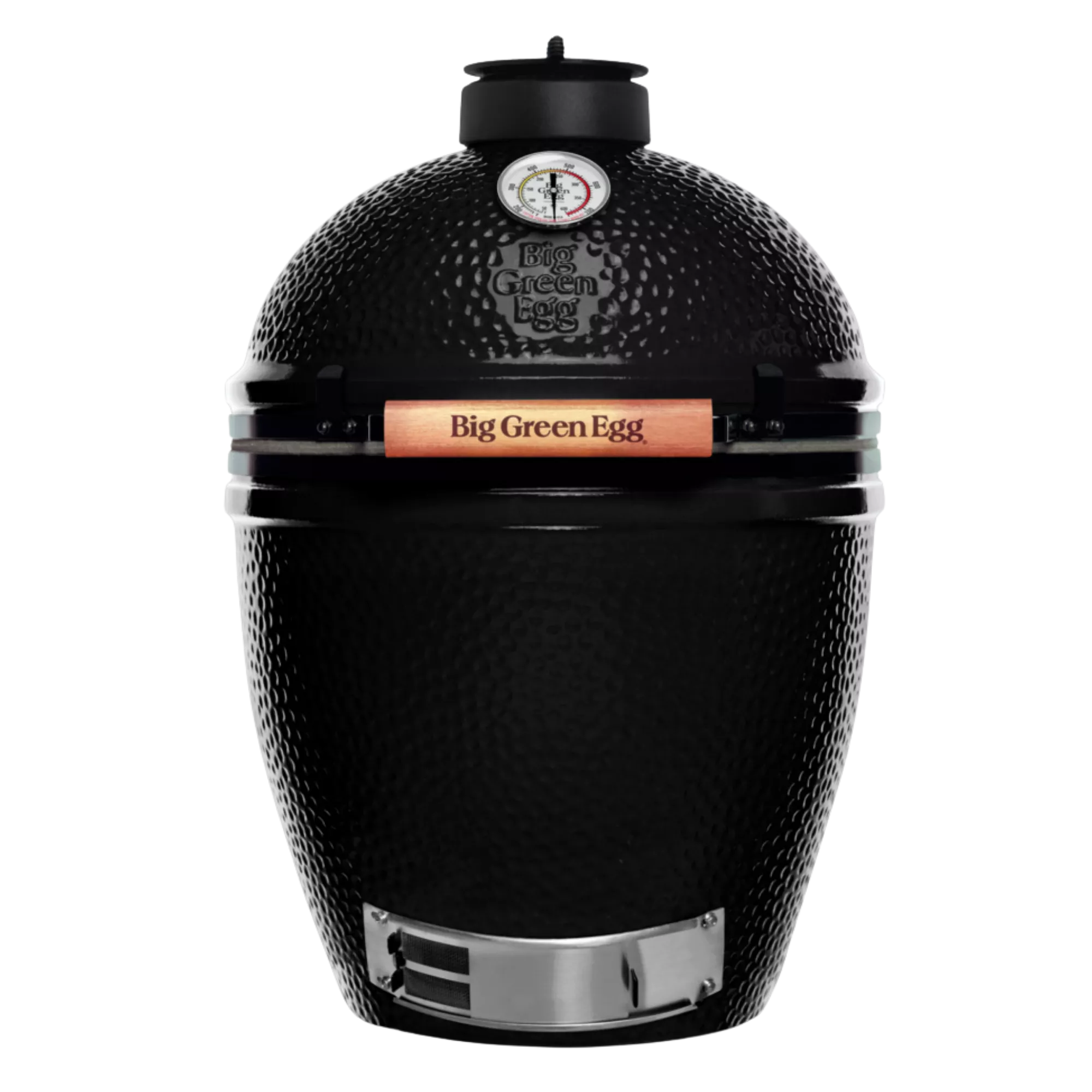




























































Controlling the temperature in your kamado
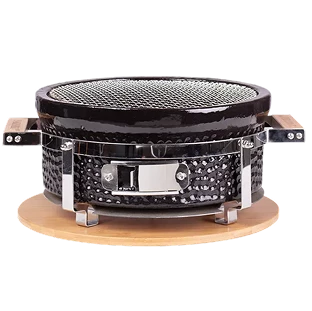
The right temperature is the key to perfect barbecuing on a kamado . Whether you are making pulled pork at 110 degrees or baking a pizza at 300 degrees, it is all about the right balance between heat and oxygen. Fortunately, regulating the temperature is easier than you think; in this article, we explain step by step how to keep your kamado at a stable temperature and make quick adjustments.
This is how temperature control works
The principle is simple: more oxygen means more heat, and less oxygen means a lower temperature. The lower air damper determines the range; compare it to an accelerator pedal. The upper air damper is your brake. By tuning them properly, you can regulate the temperature to the degree.
After lighting, open both vents fully. As soon as your kamado starts to heat up, close them gradually until you reach the desired temperature. Always leave a small gap open, otherwise the fire will go out.
The way your kamado is constructed affects temperature control. In a fully indirect setup with a heat shield, the temperature reacts more slowly. When you use only a grate without a heat shield, temperature changes react faster.
Adjusting the temperature? Here's how to do it.
- Is it getting too hot? Close the sliders a little further.
- Is it cooling down? Open them gradually.
- Do you want to raise it quickly (for example, from 120 to 200 degrees)? Open both vents wide.
- Do you want to adjust by just 5 degrees? Give the top slider a small tap.
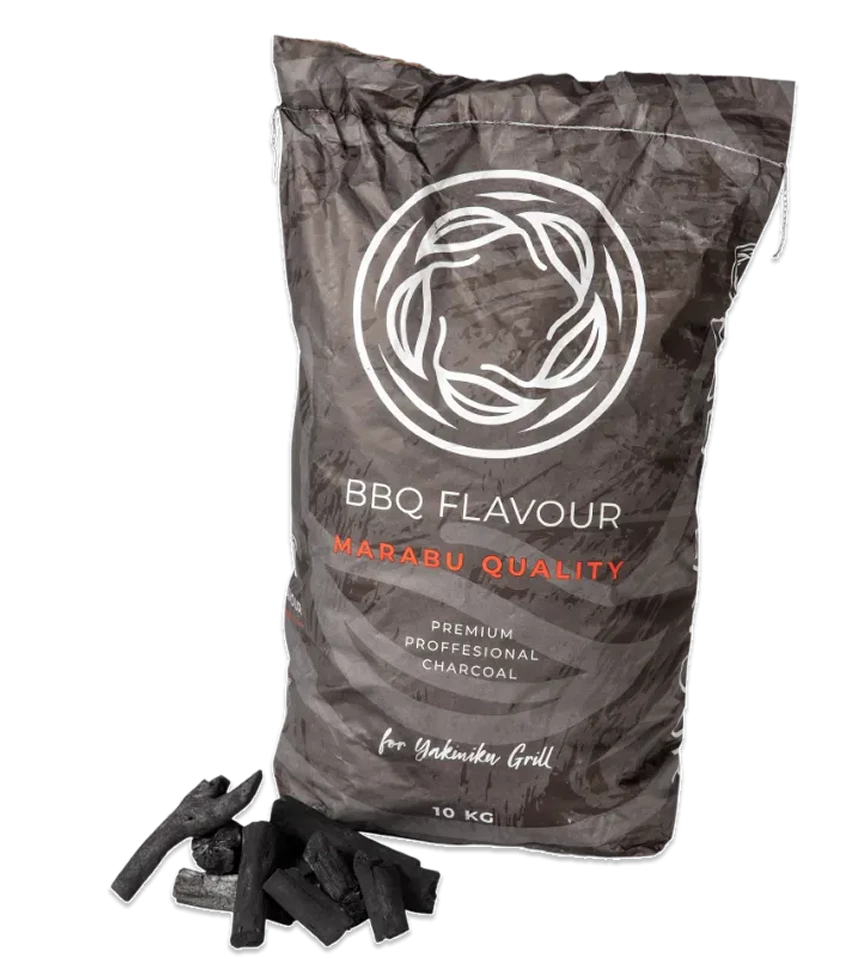
Please note: are you using hard charcoal such as Quebracho or Marabu? It reacts somewhat more slowly to oxygen, so allow a little more time when adjusting.
Be careful when opening the lid. When you open the dome of your kamado, fresh air flows in. Your thermometer will immediately show a lower temperature, but this is temporary. Often, the heat then shoots up briefly. No need to panic; keep the vents the same and wait a few minutes, and the temperature will recover on its own.
Guidelines for sliding positions
Every kamado is different, but these are good starting points:
- Low & slow (around 100 degrees): both vents slightly ajar
- Grilling (± 220 degrees): bottom 1/3 open, top slightly wider
- Baking (± 200 degrees): bottom half open, top half open
- Pizza (± 300 degrees): bottom completely open, top half open
And most importantly: keep the lid closed as much as possible. Every time you open it, you feed the fire with new oxygen and cause temperature fluctuations. Let the system do its job.
Get a grip on fire, air, and heat?
Have you got a taste for it after reading our tips? Do you want to get a better grip on the Kamado, learn to control the temperature perfectly, and confidently prepare delicious dishes on the barbecue? Don't hesitate and sign up for our popular Kamado Basic Skills workshop!