 English
 Nederlands
 Duits
Duits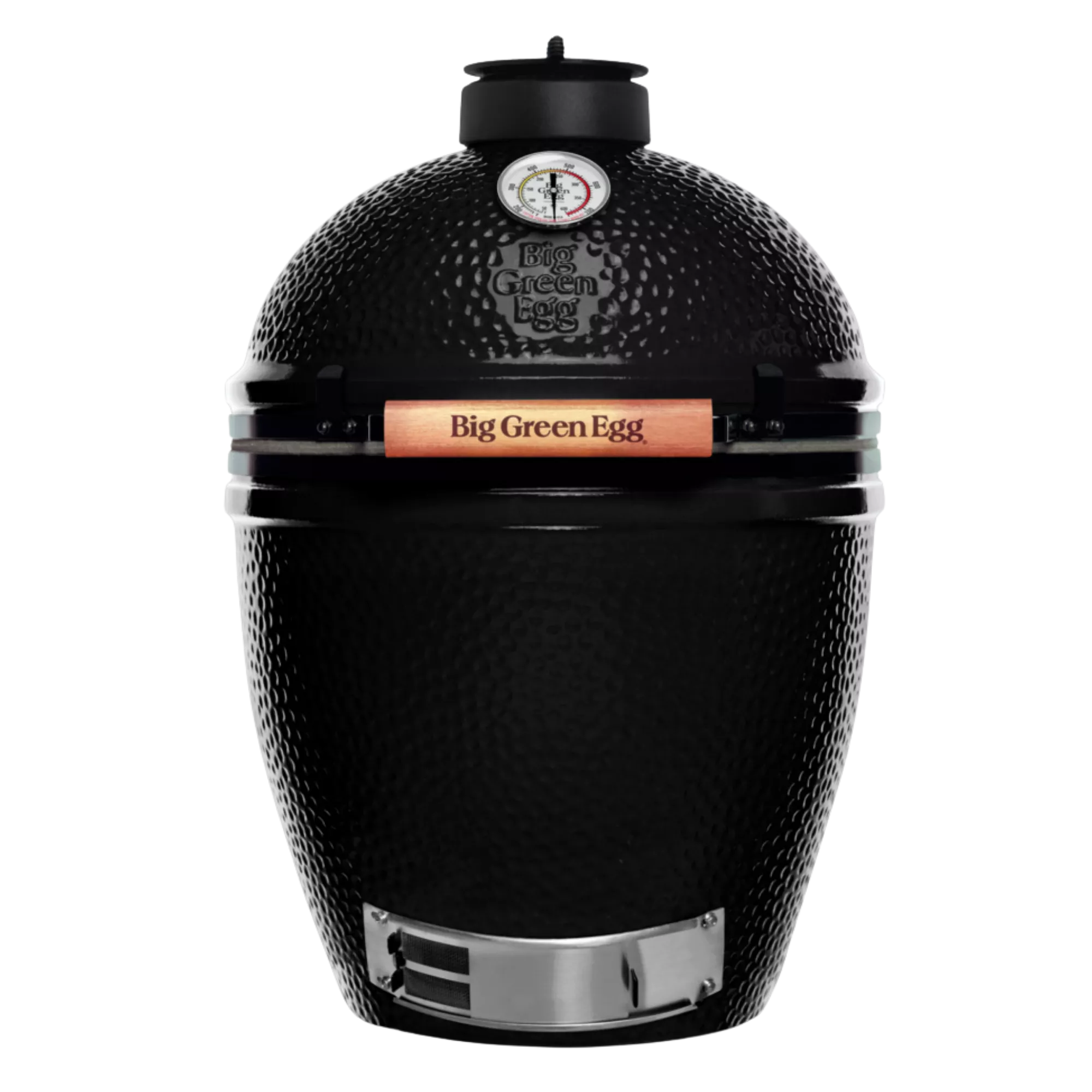





























































From smoking chips and chunks to smoking sawdust and cedar wood
Smoking wood gives a barbecue dish something you cannot achieve with heat alone. A light, fruity smoky flavor with chicken, a warm oak tone with beef, or a more powerful American character from hickory with spareribs. With the right type of wood, you can steer the flavor of a dish very precisely.
However, smoking wood also raises questions. Do you use wood chips or chunks? How much wood do you need? Does smoking wood need to be soaked in water first? And which type of wood actually suits meat, fish, or vegetables?
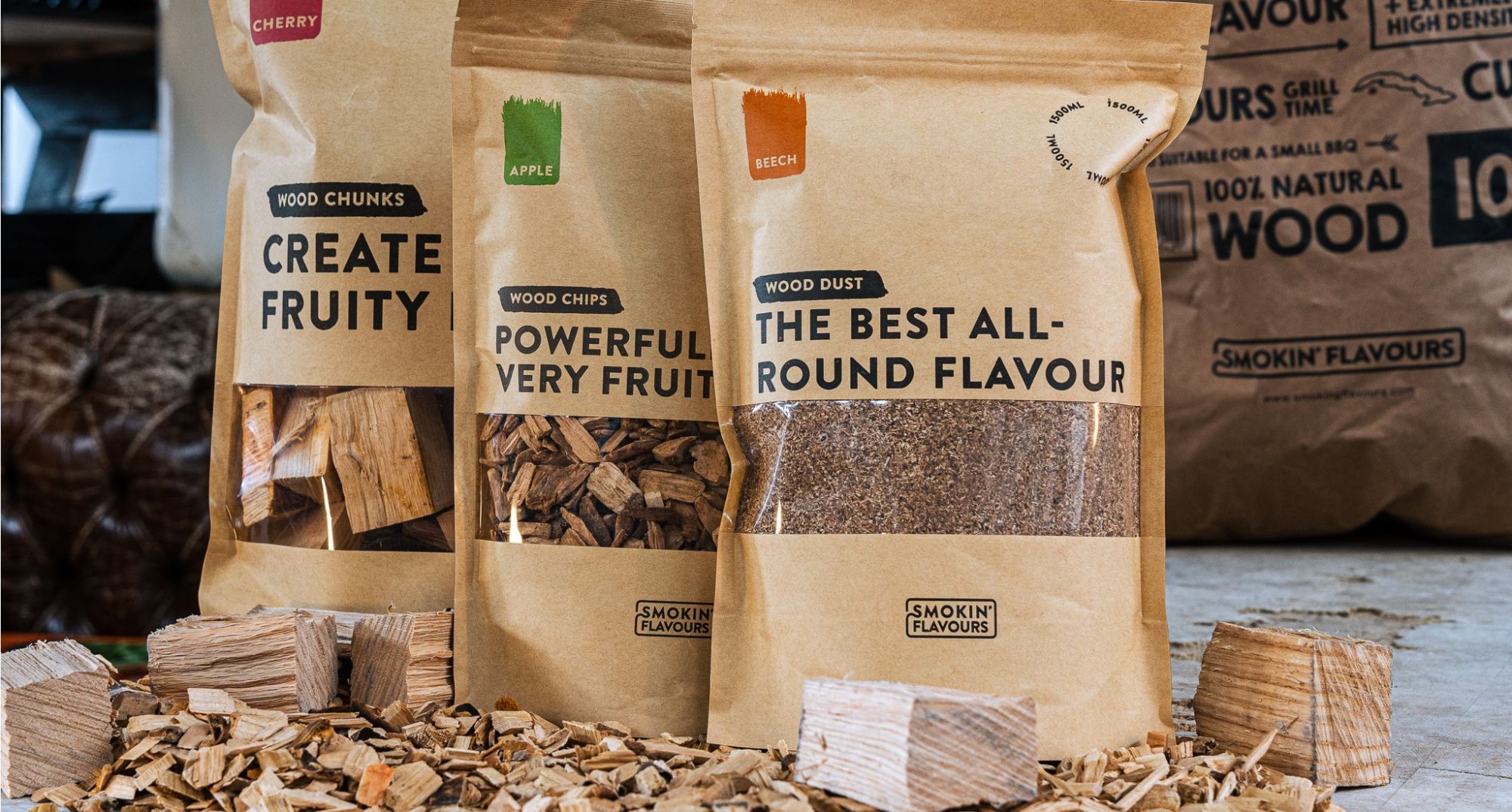
At BBQ Valley, you will find various forms of smoking wood, including wood chips , smoke chunks , sawdust , smoke pellets , wine barrel chips , and cedar planks . The assortment consists of different flavor profiles, including apple , cherry , hickory , oak , beech , pear , lemon , and walnut . This allows you to tailor the smoke to both your dish and your barbecuing style.
How does smoking wood affect your dish?
Smoking wood is used as a flavor enhancer alongside your charcoal. As soon as the wood begins to smolder due to the heat, aromatic compounds are released that can adhere to the surface of meat, fish, vegetables, or other ingredients.
Smoke has a significant influence, especially during the first part of cooking. As long as the surface of a dish is relatively cool and moist, it absorbs the smoky aroma easily. Therefore, you do not need to produce smoke continuously for an entire low and slow session.
What you are looking for is calm, thin smoke. With a kamado, ideally you should see light, almost bluish smoke coming out of the top vent. Thick white or gray smoke, on the other hand, is a sign that the combustion is not clean and can cause a sharp or bitter taste.
So, more smoke does not automatically mean more flavor. With smoking wood, the opposite is often true: start modest.
Wood chips for a quick smoke
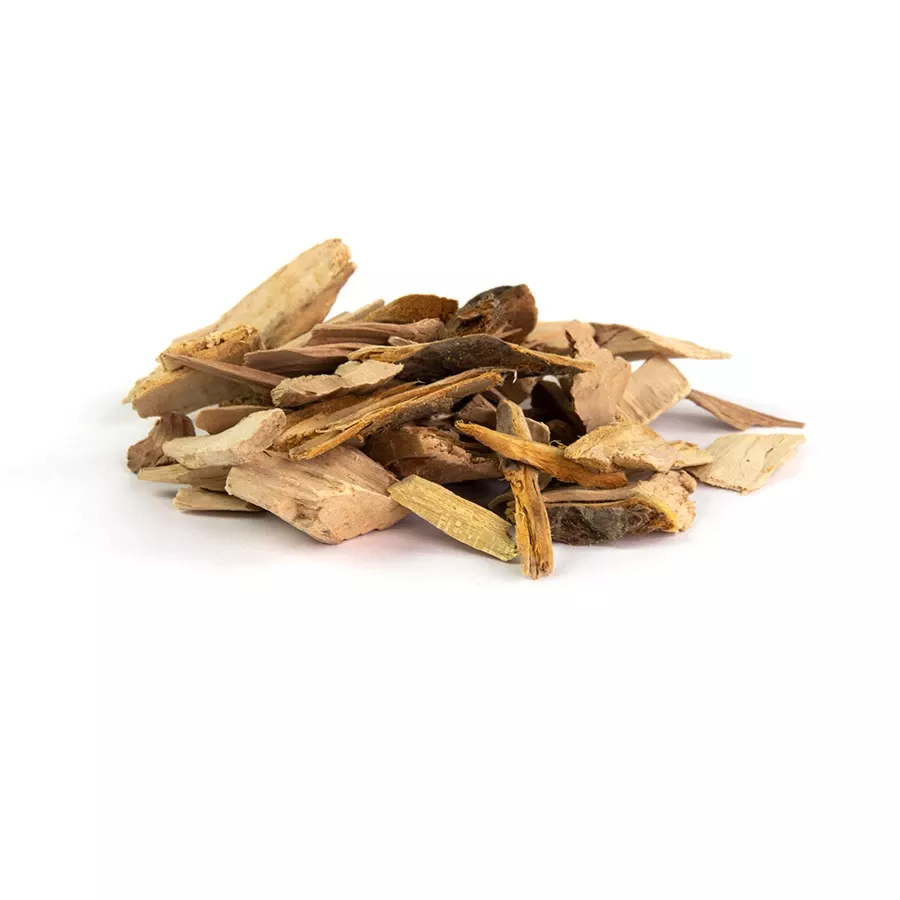
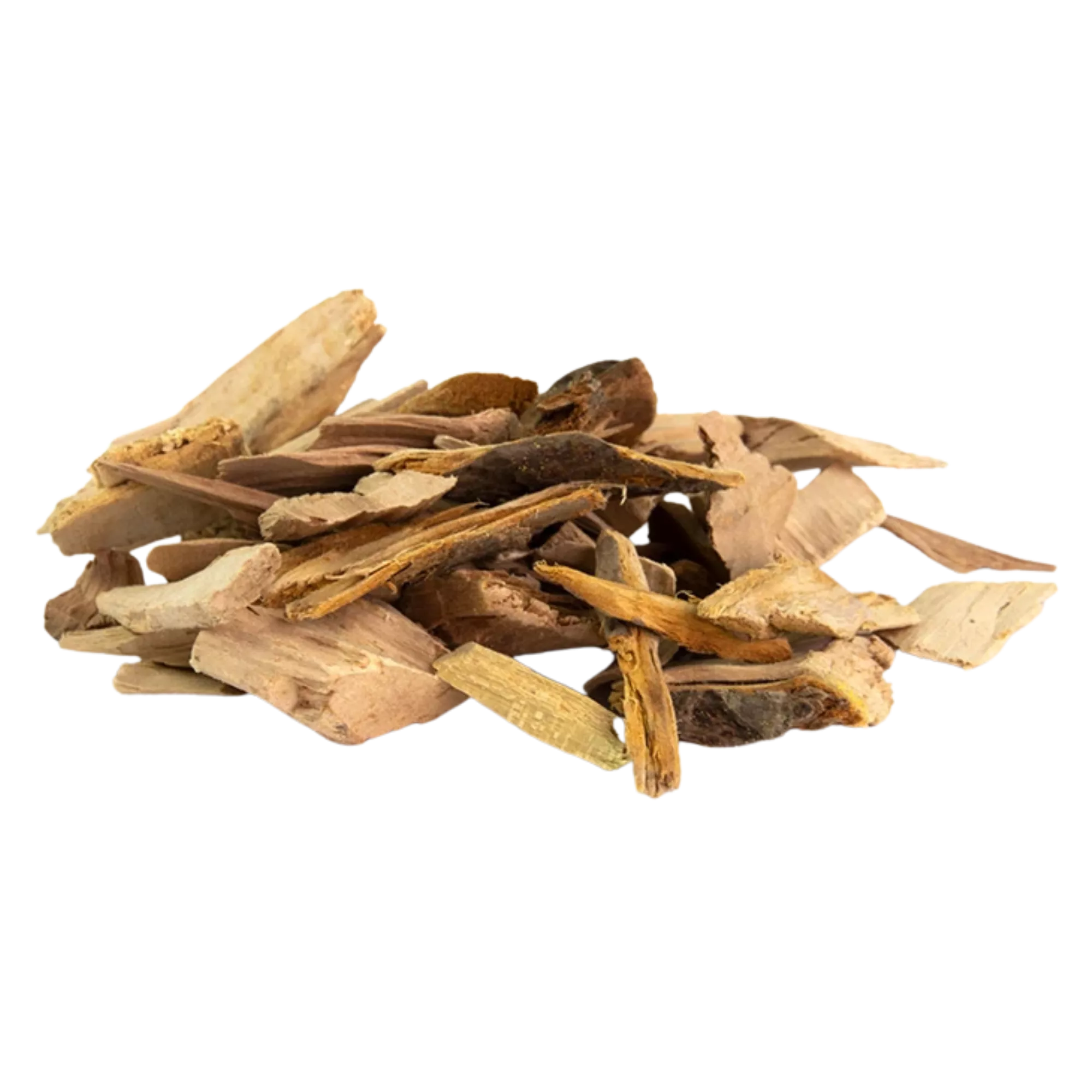
Smoking chips are small pieces of wood that heat up quickly and release smoke relatively fast. This makes them particularly useful when you want to add a smoky accent during a shorter cooking process.
Think of chicken, fish, vegetables, hamburgers, or a steak that doesn't sit on the barbecue for hours. For long low-and-slow cooking, wood chips are less practical because they burn up much faster than larger pieces of wood.
At BBQ Valley, you will find wood chips from BBQ Flavour and Smokin' Flavours, among others. Apple, cherry, and pear provide an accessible, slightly sweet feel. Hickory and oak are sturdier and pair better with dishes that can handle a bit more smoke. Lemon, on the other hand, adds a fresher accent.
An important tip: do not soak wood chips in water. Wet wood needs to evaporate moisture before it can smolder properly. This mainly creates steam and delays smoke production. Dry smoking wood produces cleaner and more controllable smoke.
Smoke chunks for low and slow on the kamado
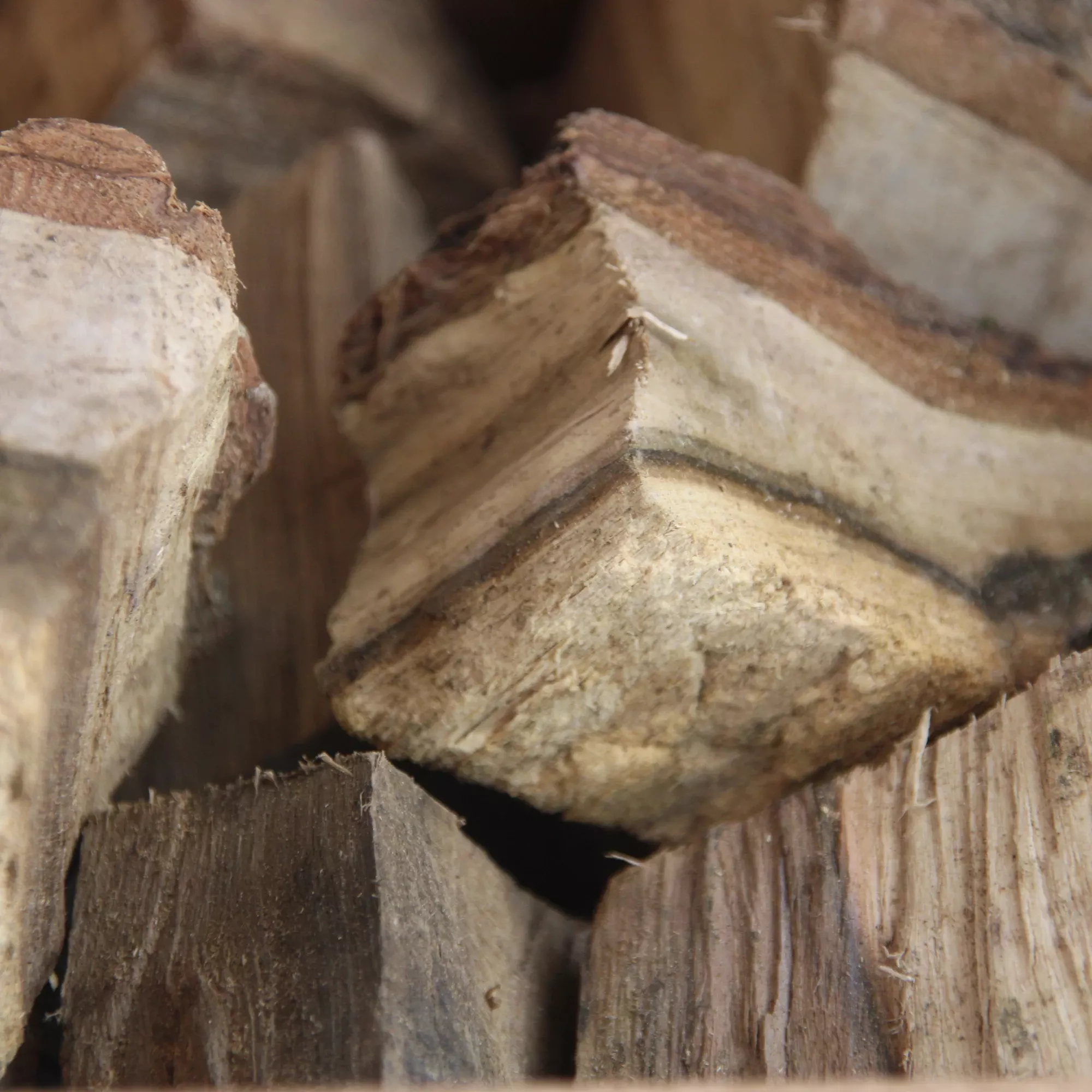
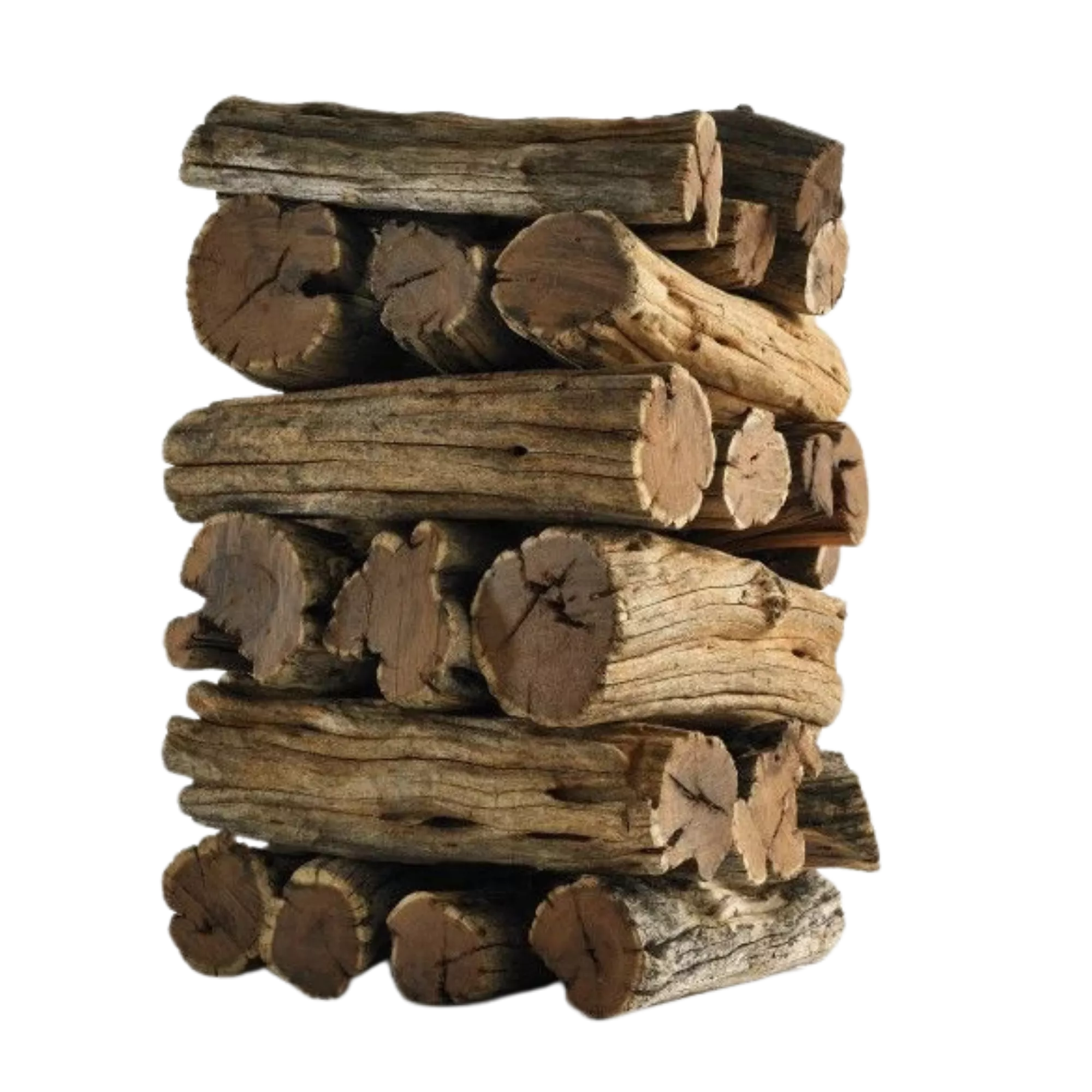
If you are slow-cooking pulled pork, brisket, spareribs, pork shoulder, or another large cut of meat, smoke chunks are usually the better choice. Chunks are larger blocks of wood and therefore smolder more slowly and for longer.
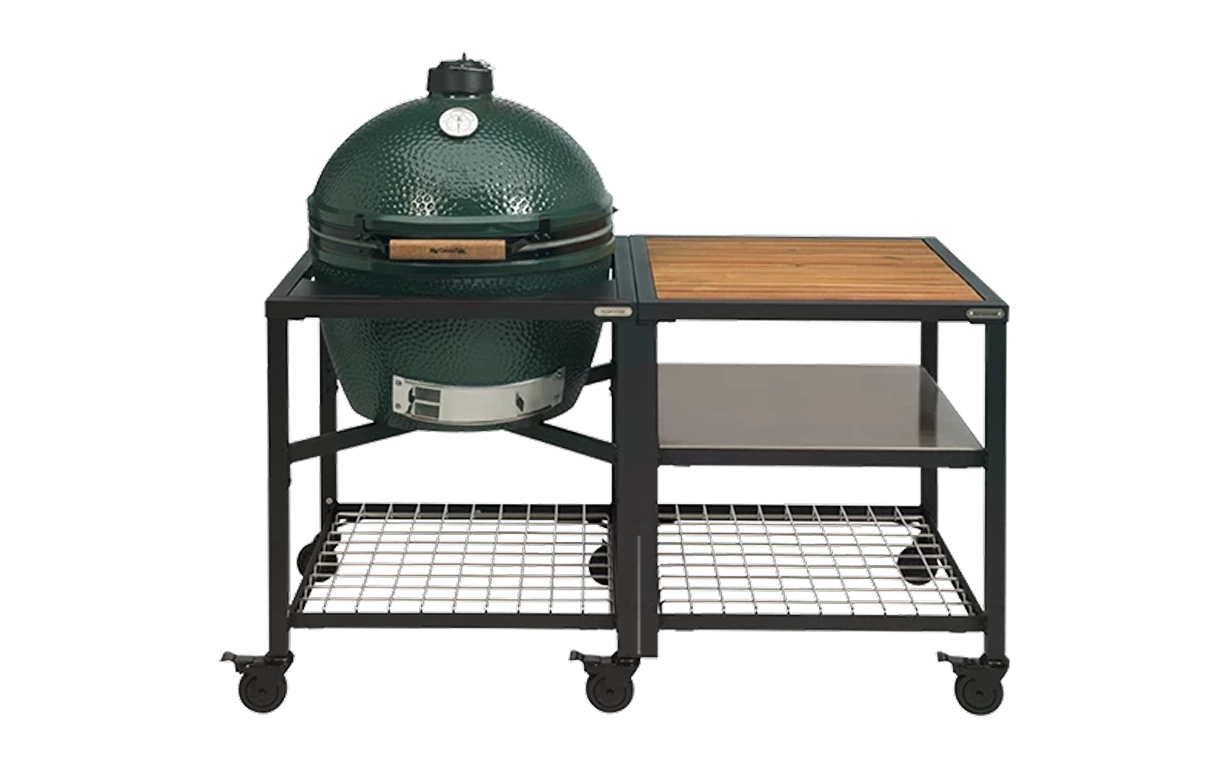
That pairs perfectly with a kamado. It retains heat and smoke well, allowing you to achieve a great effect with a limited amount of wood. For most preparations, a few chunks are sufficient.
A good way to use chunks is to distribute them among the charcoal. As the fire moves through the charcoal during the session and reaches a chunk, it begins to smolder gently. This way, the smoke profile builds up gradually instead of producing a heavy cloud of smoke all at once.
In the BBQ Valley range, you will find oak and beech smoking chunks, among others. Oak provides more power and a warm, full flavor. Beech is milder and therefore easier to pair with various dishes.
Smoking chips for cold smoking
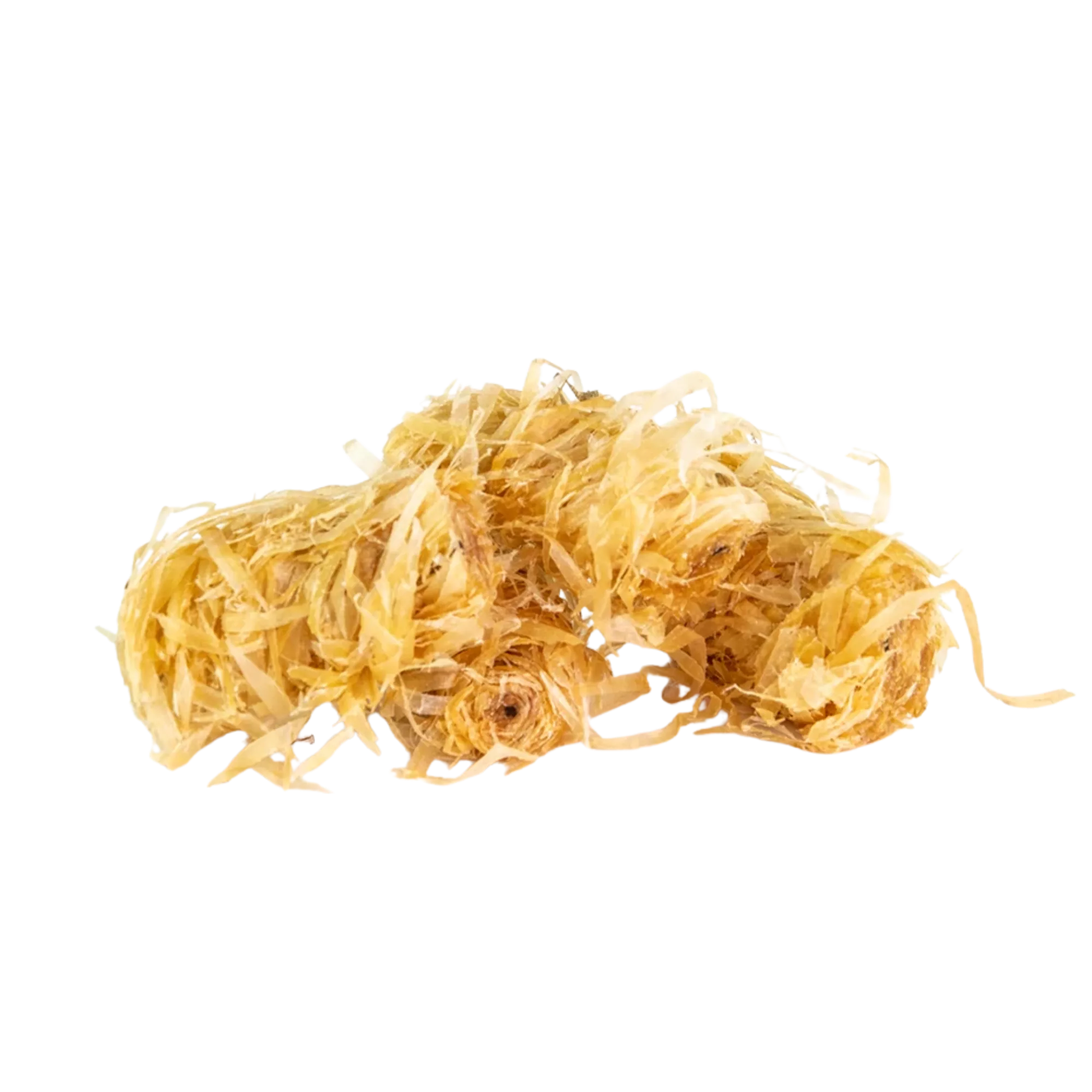
Smoking dust is much finer than chips or chunks and has a different application. It is primarily intended for cold smoking, where you impart a smoky flavor to an ingredient while adding as little heat as possible.
For this, you use wood chips in combination with a cold smoke generator. The wood chips smolder slowly and can thus produce a consistent smoke for an extended period. This technique is used, for example, for salmon, cheese, butter, nuts, and salt.
So, you don't simply place wood chips between glowing coals. The material is too fine for that and would burn much too quickly.
At BBQ Valley, you will find smoking chips from Smokin' Flavours in various wood types, including apple, cherry, beech, oak, and hickory.
Smoke pellets for controlled smoke
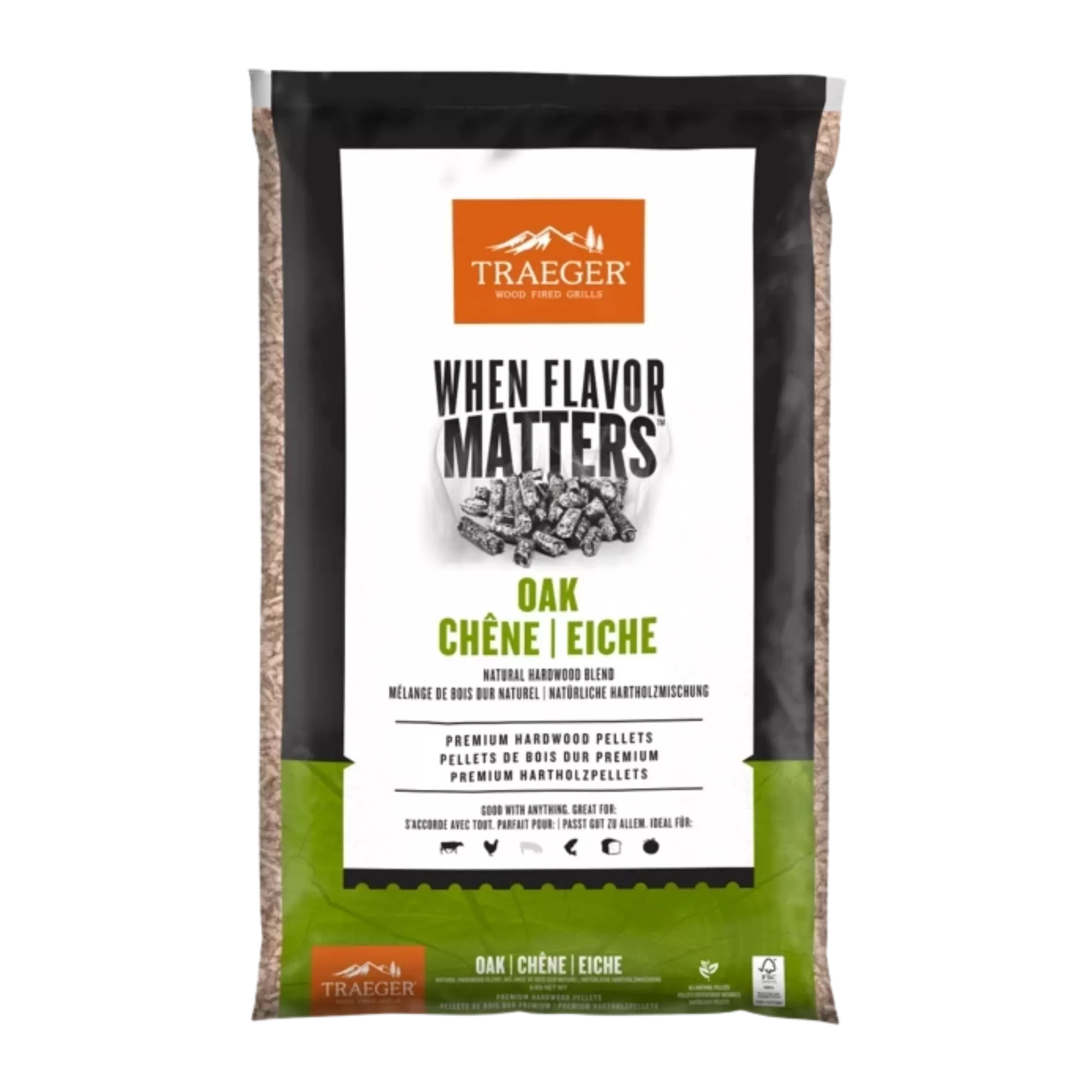
Smoke pellets are compressed wood particles that also allow you to add targeted smoke flavor. They take up little space and are easy to dose.
Within the BBQ Valley range, you will find Monolith Smoke Pellets in apple, beech, cherry, and walnut, among others. Apple and cherry are mild and fruity, while walnut has a distinctly stronger character. Beech sits nicely in between and is versatile due to its accessible flavor.
Moreover, with Monolith kamados, smoke pellets can be used practically via the specially developed smoke supply system, allowing you to add smoke during cooking without having to constantly open the entire kamado.
Cedar planks for plank grilling
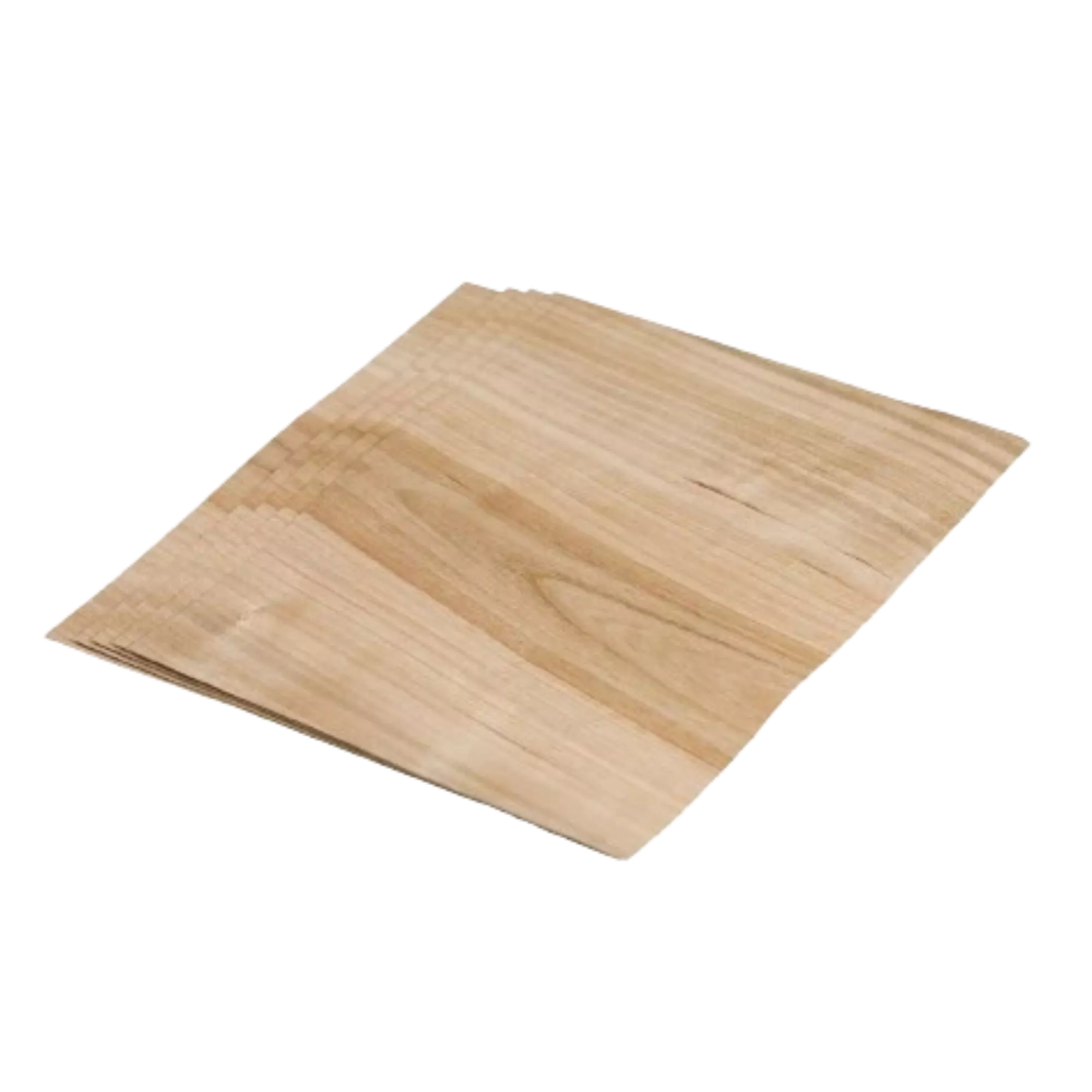
A cedar plank works differently than smoking chips or chunks. You place the product directly on the plank, allowing the wood to slowly release aroma during cooking. Salmon is the best-known example, but other types of fish, vegetables, and soft cheeses are also suitable.
On a kamado, you do not need to soak the plank beforehand. Heat it indirectly first, and then place the product on it. This way, the smoking session starts immediately. A wet plank will steam first and only release smoke later. With a gas barbecue, soaking can help prevent the plank from catching fire too quickly.
You can use a cedar plank multiple times until it is burned too far or breaks.
From apple to hickory: which type of wood suits your dish?
The type of wood largely determines the character of the smoke. There is no absolute rule stating that one type of wood belongs only with one specific ingredient, but there are combinations that form a good basis.
- Apple is mild, fruity, and slightly sweet. That makes it a pleasant choice for chicken, pork, fish, and cheese.
- Cherry also remains on the mild side and imparts a slightly sweet, fruity aroma. It pairs well with poultry and pork and can also contribute to a beautiful dark color on the surface.
- Beech is soft and quite neutral. As a result, it pairs well with fish, vegetables, cheese, and various types of meat. It is also a great choice if you have little experience with smoking wood.
- Oak is fuller and firmer. Beef, lamb, sausage, and brisket handle this smoke profile well.
- Hickory leans even more emphatically towards the classic American BBQ flavor. It is more powerful and pairs particularly well with spareribs, pulled pork, and brisket. Use it sparingly, as hickory can quickly overpower delicate dishes.
The simplest rule of thumb therefore remains: the more subtle the dish, the milder your smoking wood.
Combine smoking wood for more depth
You don't have to limit yourself to one type of wood. Combining different types of wood can actually produce an interesting result.
A well-known combination is apple with hickory. The fruity character of apple softens the sturdier smoke of hickory. This works very well with spareribs and pulled pork, for example. Oak and cherry, in turn, form a lovely combination with beef, where oak provides the solid base and cherry adds a slightly sweeter layer.
Start simple. Choose one base wood and add a smaller amount of a second type of wood to it. This way, you can better taste what each variant does to your dish.
How much smoking wood do you need?
This is where things surprisingly often go wrong. The common assumption is that more smoking wood also provides a more delicious smoky flavor. In reality, an excess of wood can actually result in a sharp and bitter taste.
For most standard low and slow cooking methods in a kamado, about two to three chunks are a usable starting point. For fish, chicken, or a subtle smoky accent, you can start with fewer. A large piece of beef can handle slightly more smoke. The exact number naturally also depends on the size of the chunks, your kamado, and the type of wood.
The same principle applies to wood chips. A small amount is often sufficient for a short smoke boost. Taste and build up slowly. You can always use a little more in the next session.
Common mistakes with smoking wood
The main mistake remains using too much smoke. Additionally, we see that smoking wood is sometimes dampened, that very powerful woods are combined with delicate ingredients, or that new smoking wood is thrown directly onto glowing coals halfway through. The latter can temporarily cause heavy, turbulent smoke.
Therefore, adhere to a few simple principles:
- Use dry and untreated smoking wood suitable for food preparation.
- Start with a small amount
- Pair light dishes with milder types of wood
- First ensure a stable fire
- Strive for thin, clean smoke instead of large white clouds.
This way, you avoid most problems and get a feel for what smoke does to a dish much faster.
Choosing smoking wood at BBQ Valley
At BBQ Valley, you will find a wide range of smoking wood for various BBQ techniques and dishes. From fast-burning chips and slow-smoldering chunks to sawdust for cold smoking, smoke pellets, wine barrel chips, and cedar planks.
We help you choose not only based on the type of wood. Your barbecue, cooking time, and the dish itself also play a role. After all, a piece of salmon requires something different than a brisket that lies on a kamado for hours.
That is why, in our shop in Venlo, you can always ask which type of wood best suits what you want to make. This way, you don't just buy any smoking wood, but consciously choose a flavor that adds something to your dish.
Ultimately, smoking on the barbecue is not about as much smoke as possible. The right type of wood, in the right amount, and at the right time makes the difference.