 English
 Nederlands
 Duits
Duits
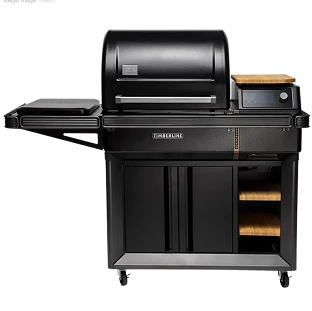
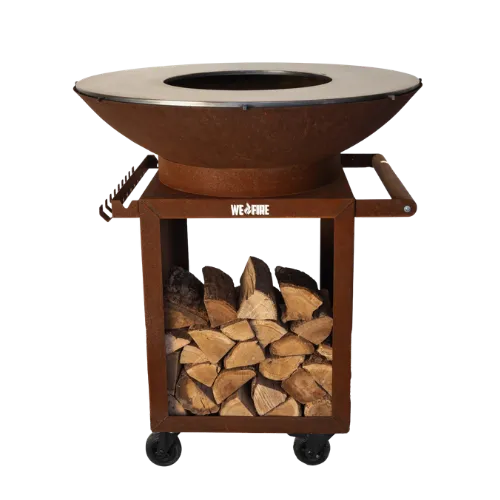
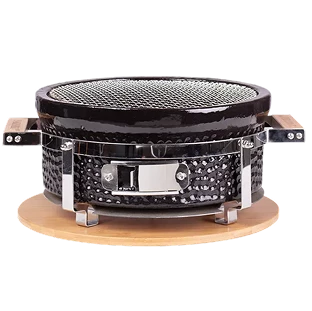

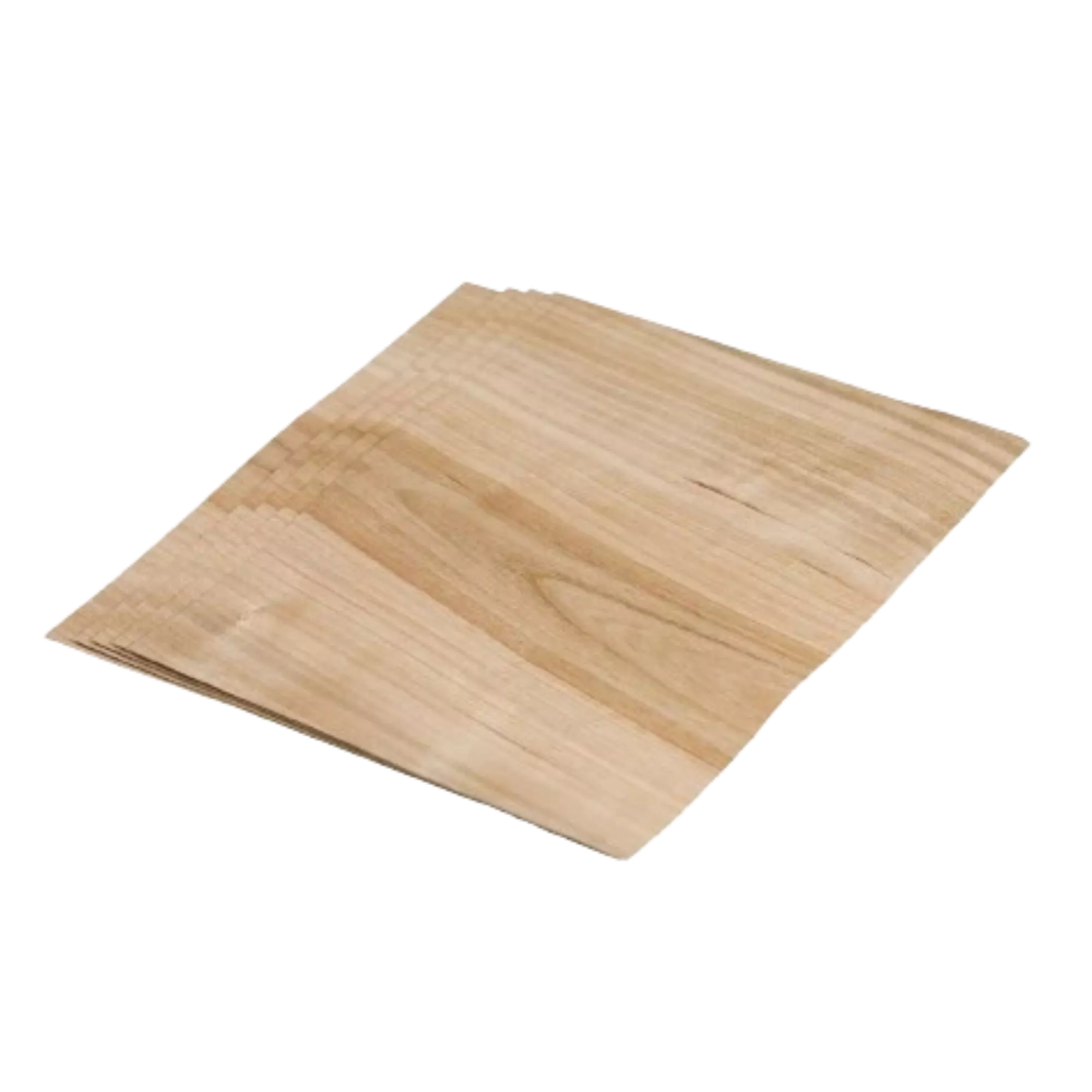
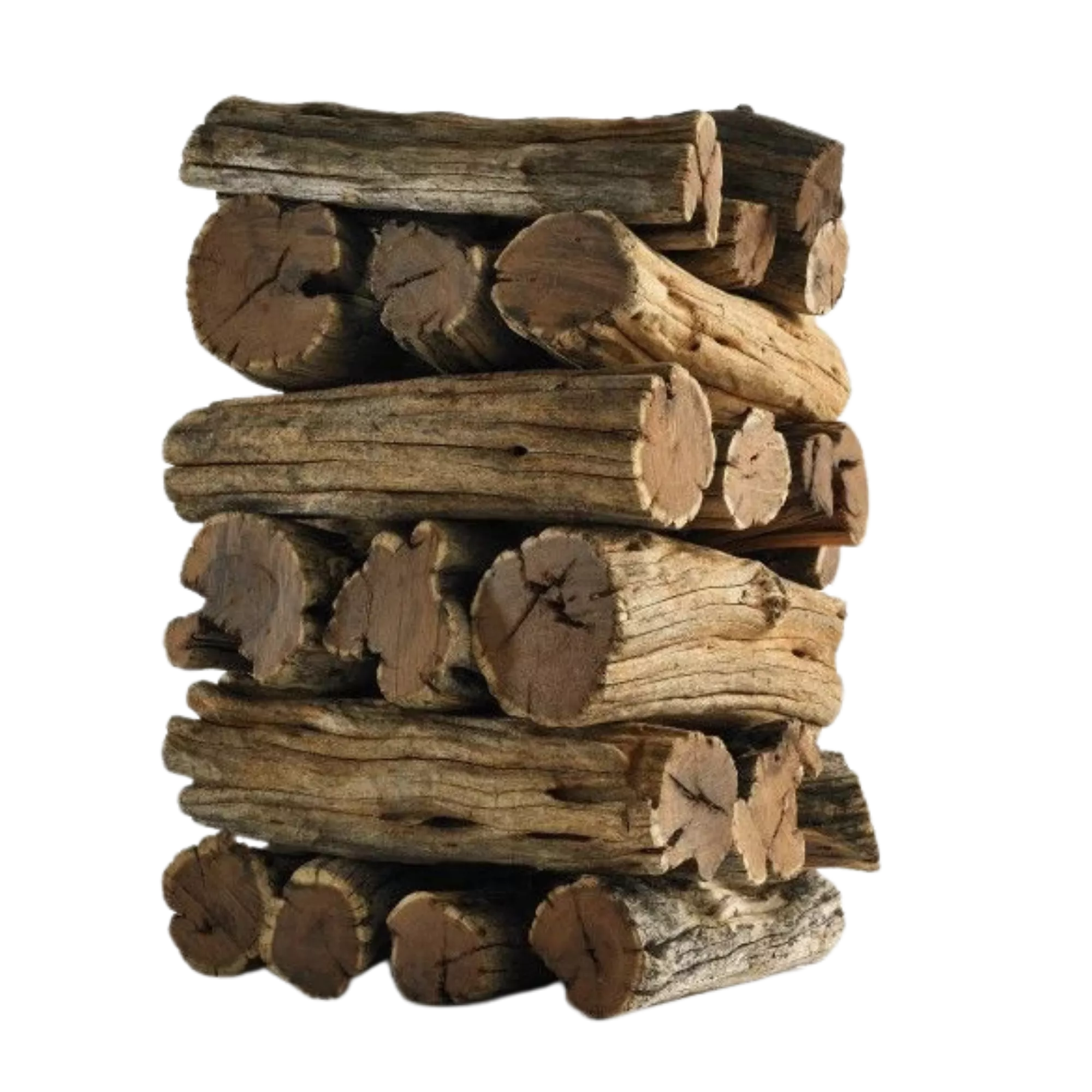
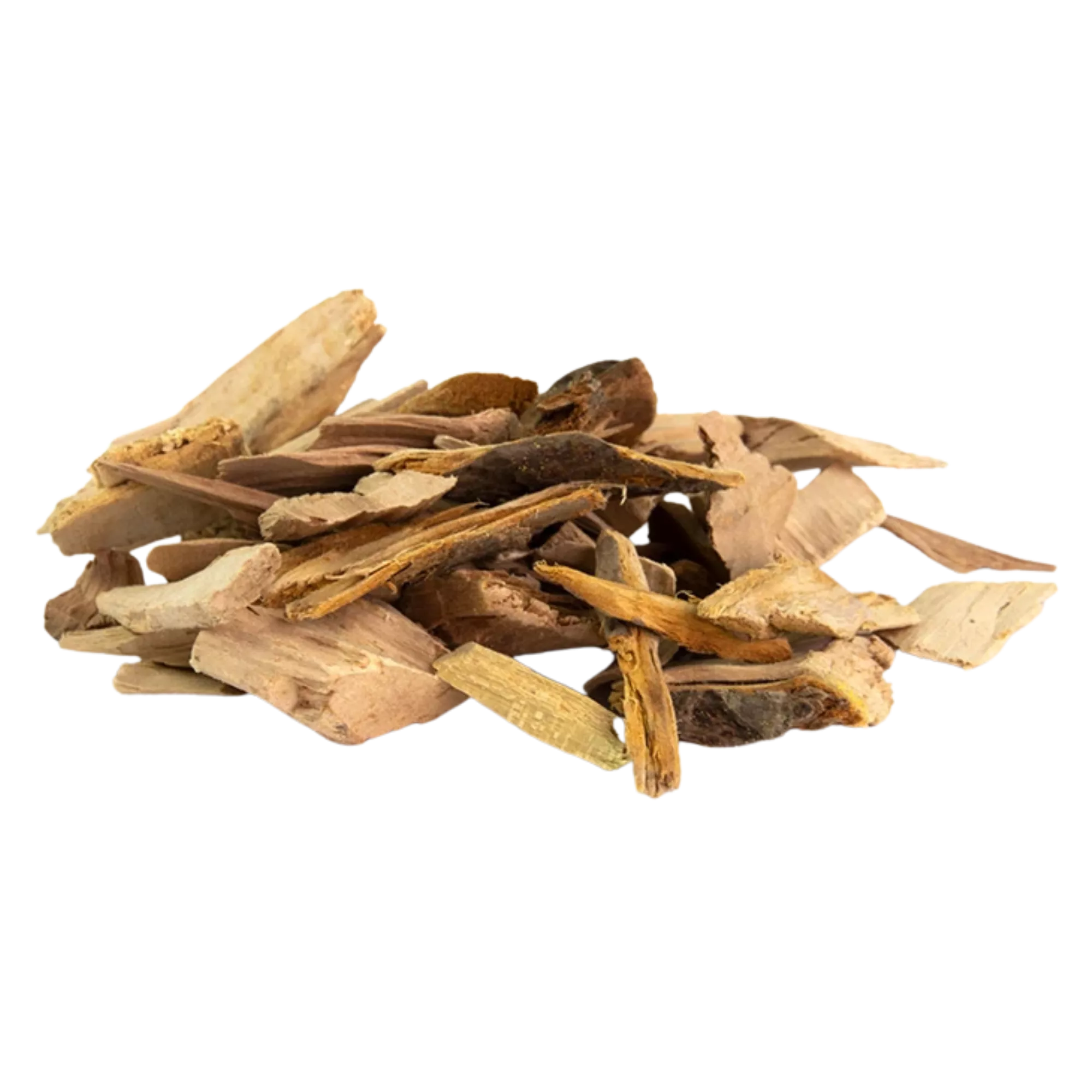
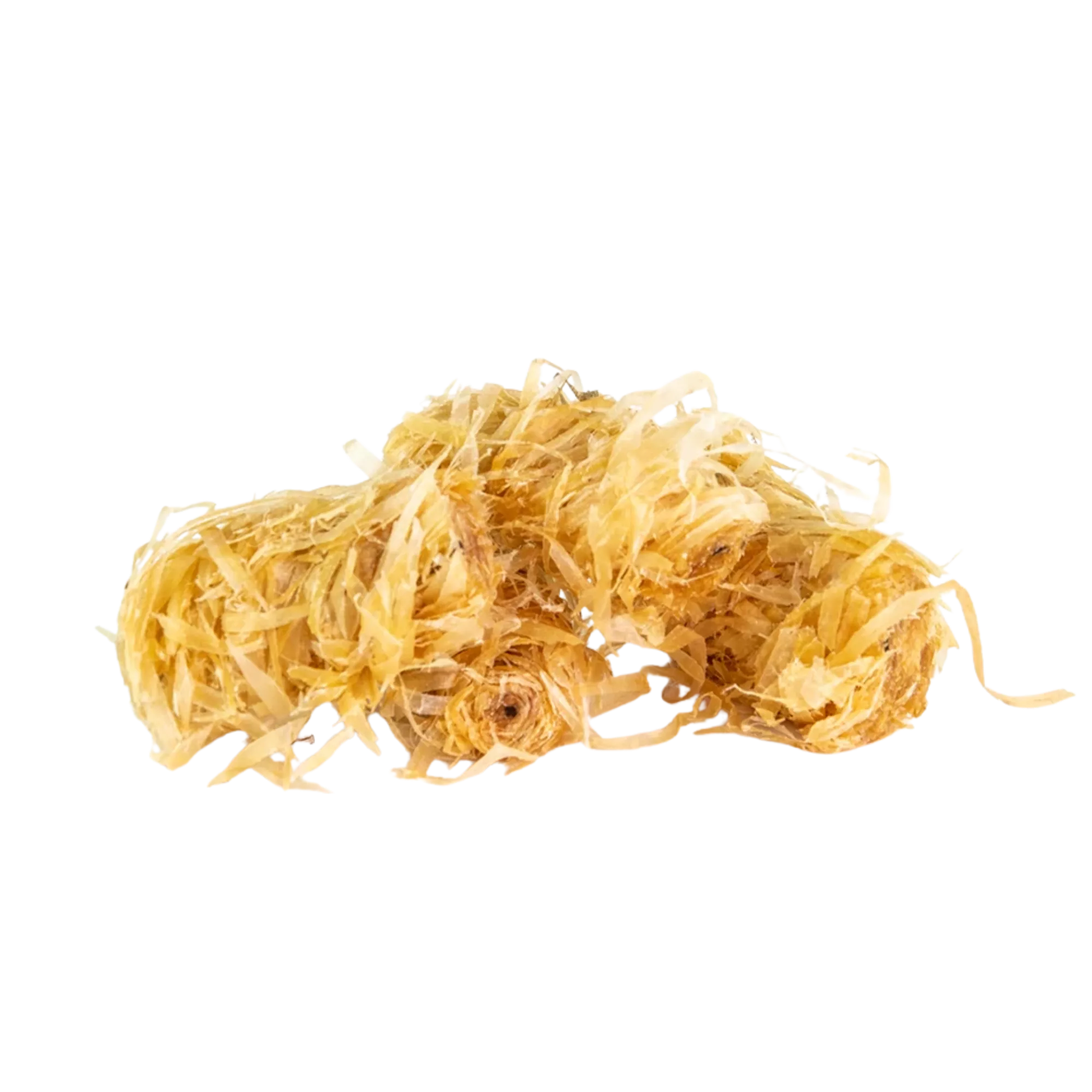






























































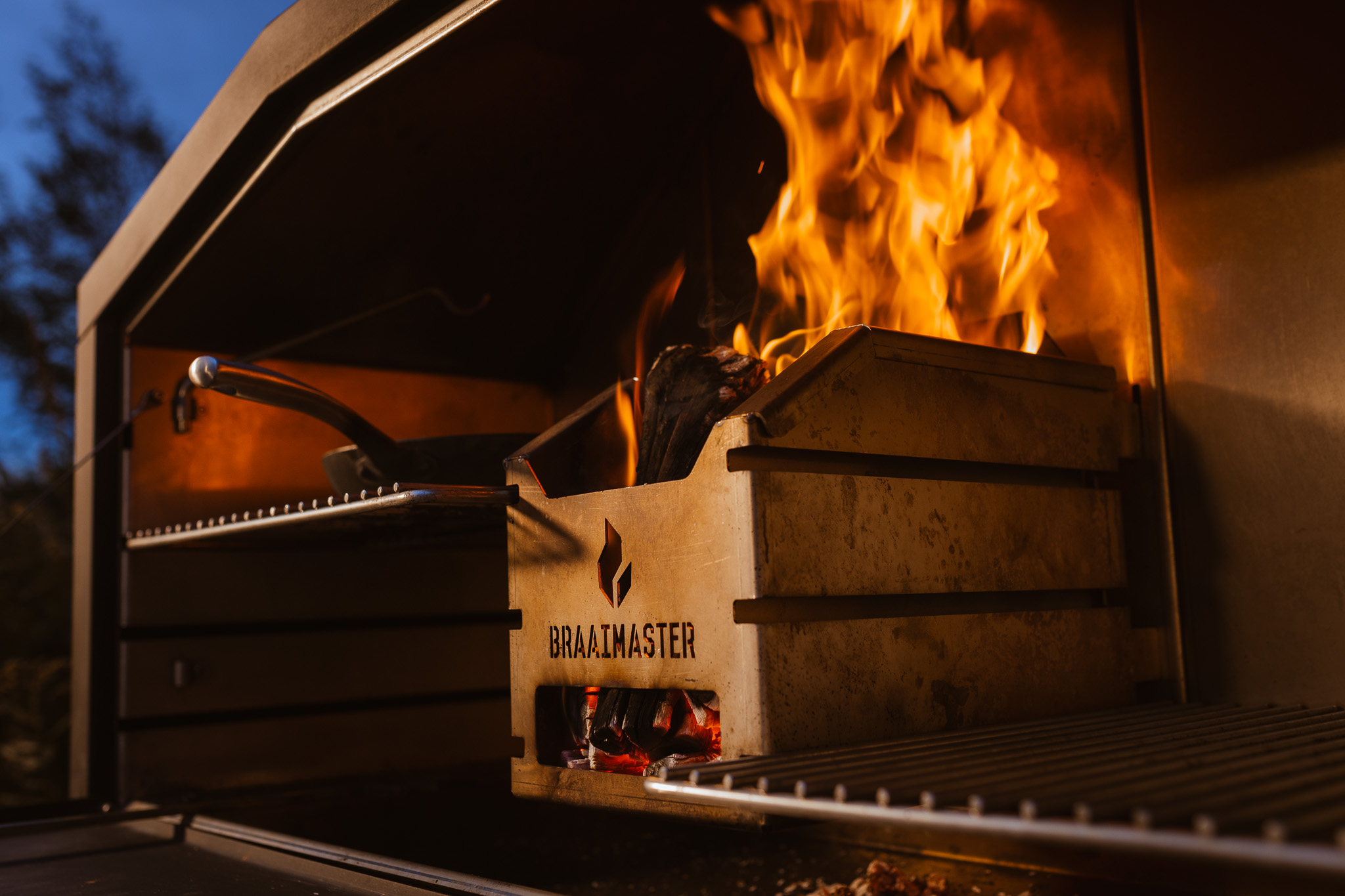
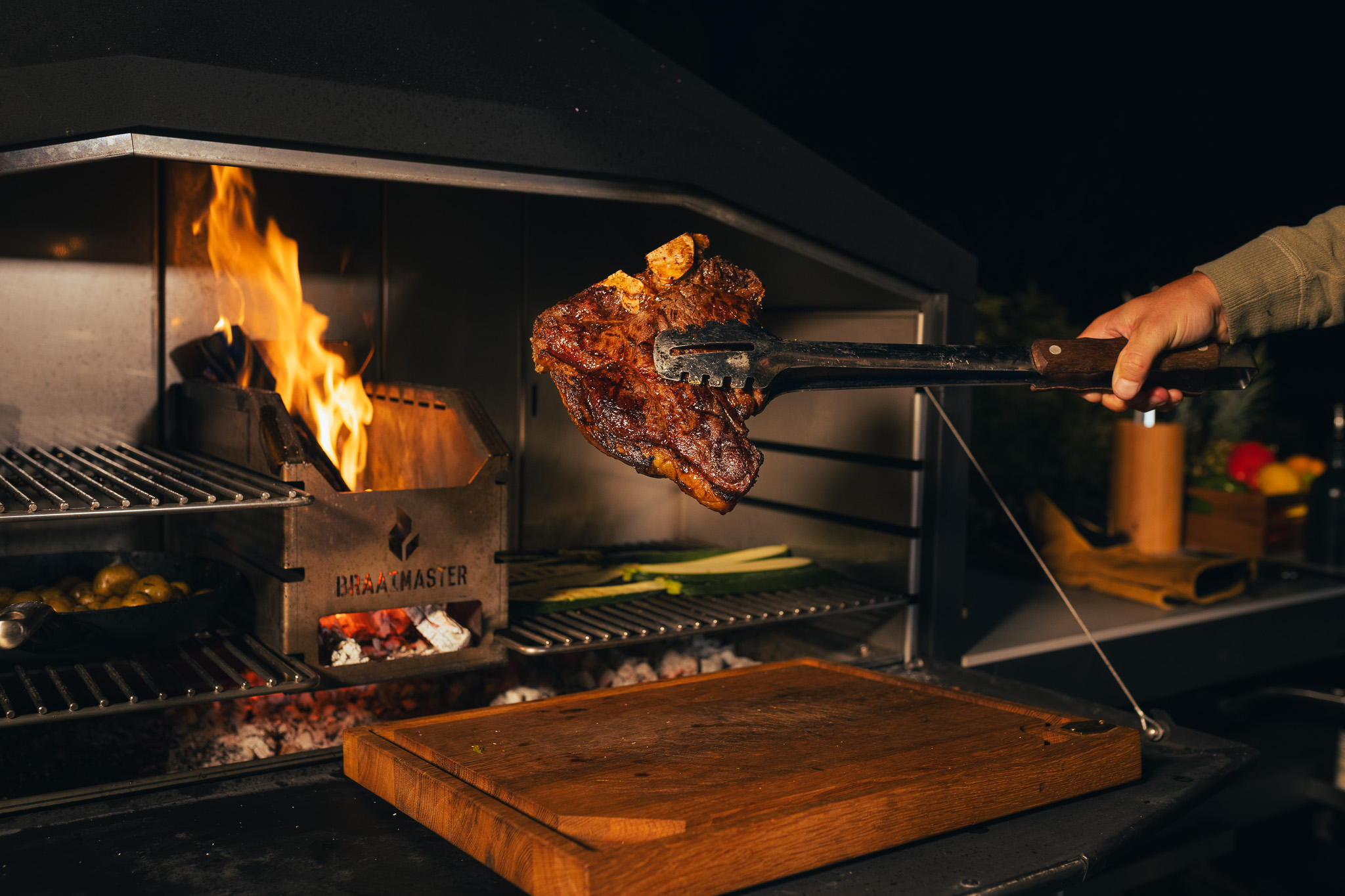
A good braai fire determines the temperature, cooking time, and flavor of your dish. With a South African braai from Braaimaster, it is therefore not just about meat, fish, or vegetables on the grill. The fire forms the basis of the entire preparation.
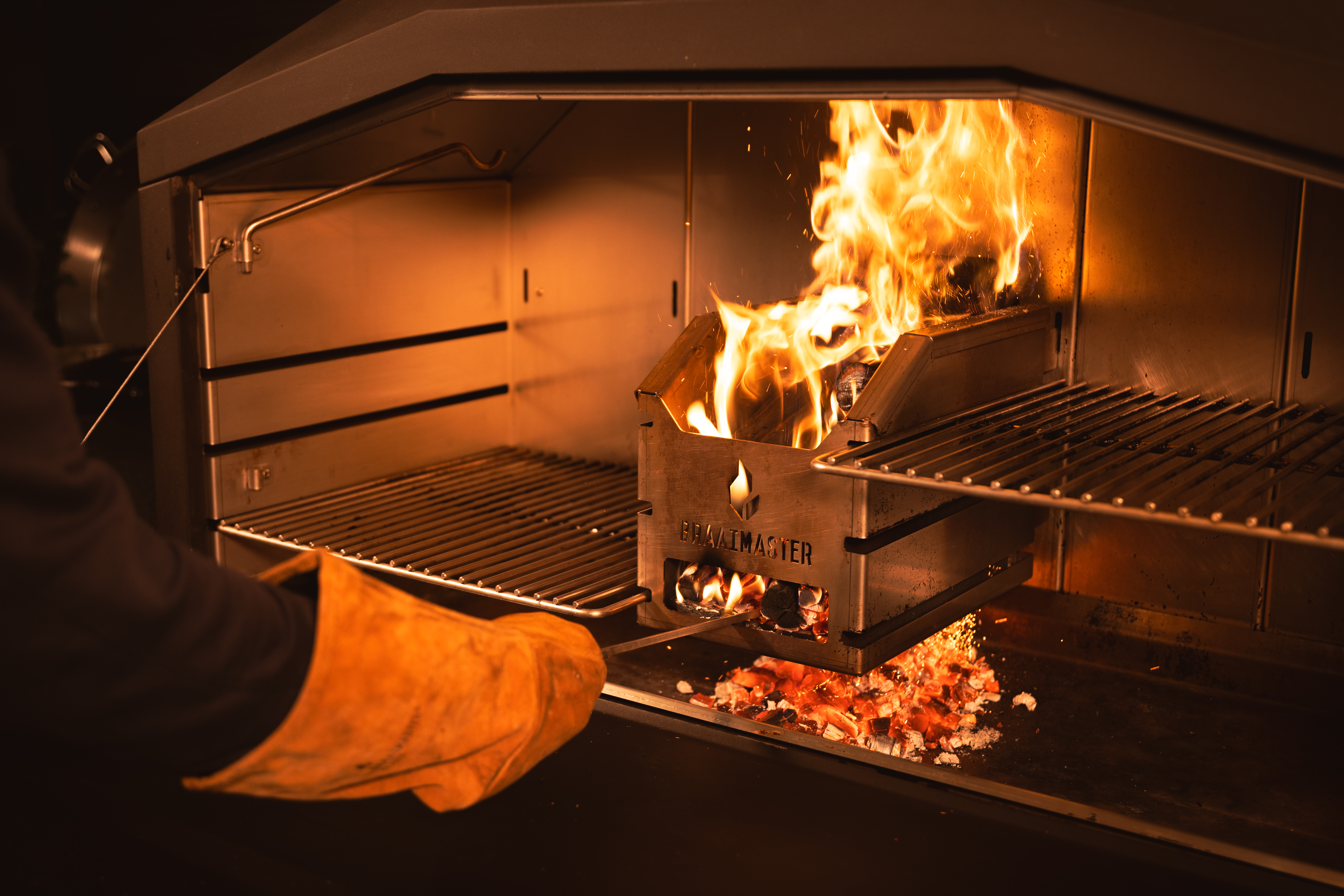
A stable fire is created by the right combination of dry barbecue wood, oxygen, and proper ignition. You can control the heat, flames, and amount of smoke by the way you stack and add the wood.
With these eight practical tips, you will learn how to build, control, and safely let a braai fire burn out.
1. Start with small, dry kindling
A good barbecue fire doesn't start with large logs. Begin with thin, dry kindling that catches fire easily. Stack the wood loosely so that air can flow between the pieces.
Once the small wood is burning well, gradually add larger blocks. Place them at an angle or upright so that the flames and warm air can easily flow past the wood.
Do not add too much wood at once. Build up a braai fire gradually.
2. Combine small and large pieces of wood
Different sizes of wood each have their own function. Thin pieces catch fire quickly and immediately give the fire extra energy. Larger logs burn more slowly and provide a long-lasting glow.
By combining both sizes, you get an active fire faster and a solid base of hot coals. If you only use large logs, too little oxygen can get between the wood. As a result, it burns less efficiently and often produces more smoke.
3. Regulate the heat with the position of the wood
The way you place the braai wood has a significant impact on the temperature. Upright or angled logs receive more oxygen and burn faster and more intensely.
If you lay the wood flat, the airflow is slowed down slightly and the fire burns more steadily. This way, you can control the heat without constantly adding new wood.
Need more heat? Stand the wood more upright. Want to temper the fire? Place a log horizontally.
4. Add thin wood for extra flames
Sometimes there is sufficient glow, but the active flames have disappeared. In that case, add a few thin, dry pieces of wood.
These ignite quickly and temporarily raise the temperature. This is especially useful when you need extra heat quickly or want to liven up the fire a bit.
5. Use only clean and dry braai wood
Damp wood burns less efficiently. A large portion of the heat is first used to evaporate the moisture from the wood. This results in less heat and thicker smoke.
Therefore, always choose clean, untreated, and well-dried braai wood. This results in a cleaner burn, a more stable temperature, and a more pleasant aroma.
Never use painted, glued, or impregnated wood. This can release harmful substances and is not suitable for cooking over.
6. Choose hardwood for a long and hot glow
Hardwood is ideal for braaiing. It burns longer, provides a lot of heat, and forms sturdy, glowing coals on which you can grill well.
Sekelbos is a popular South African wood species for the braai. It is very hard, burns slowly, and emits powerful heat for a long time. As a result, Sekelbos is suitable for long braai evenings and larger cuts of meat that require more cooking time.
You can also combine Sekelbos with oak or ash. Use Sekelbos for a powerful layer of coals and another type of wood for extra flames or atmosphere.
7. Give glowing coals oxygen again
Over time, a layer of ash can form on the glowing coals. This insulates the coals, causing them to appear to burn less intensely.
Gently blow away the ash or slowly add air. As soon as the coals receive oxygen again, they will glow more brightly and immediately give off more heat.
Always do this carefully to limit flying ash and sparks.
8. Let the braai fire burn out safely
When you have finished cooking, do not add any new large blocks of wood. Allow the remaining coals and smaller pieces to burn out slowly and in a controlled manner.
Keep the air vent open as long as there are still flames or glowing coals present. Only close the braai when the fire is completely extinguished and everything has cooled down sufficiently.
This is how you safely close the braai, and it is ready for the next session.
What is the best wood for a braai?
For a braai, it is preferable to use clean, dry, and untreated hardwood. Hardwood burns longer than softer woods and forms a stable layer of glowing coals.
Sekelbos is very suitable for a braai due to its long burning time, high heat, and powerful glow. Oak and ash can also be used effectively. Which type of wood is best depends on the desired burning time, temperature, and the appearance of the fire.
How do you prevent a lot of smoke from a barbecue?
Excessive smoke is usually caused by damp wood, insufficient oxygen, or a fire built up too quickly with large logs.
Use dry braai wood, leave sufficient space between the logs, and start with small kindling. Only add larger pieces once the fire is burning well. This creates a cleaner fire with more heat and less smoke.
The secret of a good braai fire
A good braai fire starts before the first dish is on the grill. By working consciously with wood, oxygen, and heat, you gain control over the temperature and the quality of the glowing coals.
Start small, use different sizes of dry hardwood, and determine how intensely the fire burns by positioning the wood. This way, you build a stable braai fire on which you can cook calmly and in a controlled manner.
At BBQ Valley in Venlo, you will find Sekelbos, braai wood, kindling, and accessories for making and maintaining a good braai fire. Our specialists are happy to help you choose the right wood for your braai.